SPANISH
Spanish Lead: Miss Malik
“Languages are an essential part of a broad, balanced curriculum. Not only do they provide an opportunity to communicate more effectively with others. They also help children to understand what it is to be a global citizen. This includes the importance of tolerance and understanding, which is crucial knowledge in today’s world." - Michael Wardle HMI Subject Lead for Languages.
Why Learn a Language?
Language learning has been shown to improve a student's cognitive function, including, but not limited to:
• Enhanced problem solving skills
• Improved verbal and spatial abilities
• Improved memory function (long & short-term)
• Enhanced creative thinking capacity
• Better memory
• More flexible and creative thinking
At Coppice Farm Primary School, we aim to give our children a lifelong love of learning languages. We want them to enjoy learning Spanish and to use it confidently.
Intent
We intend for our Spanish curriculum to build secure, long‑term learning through carefully sequenced knowledge and skills.
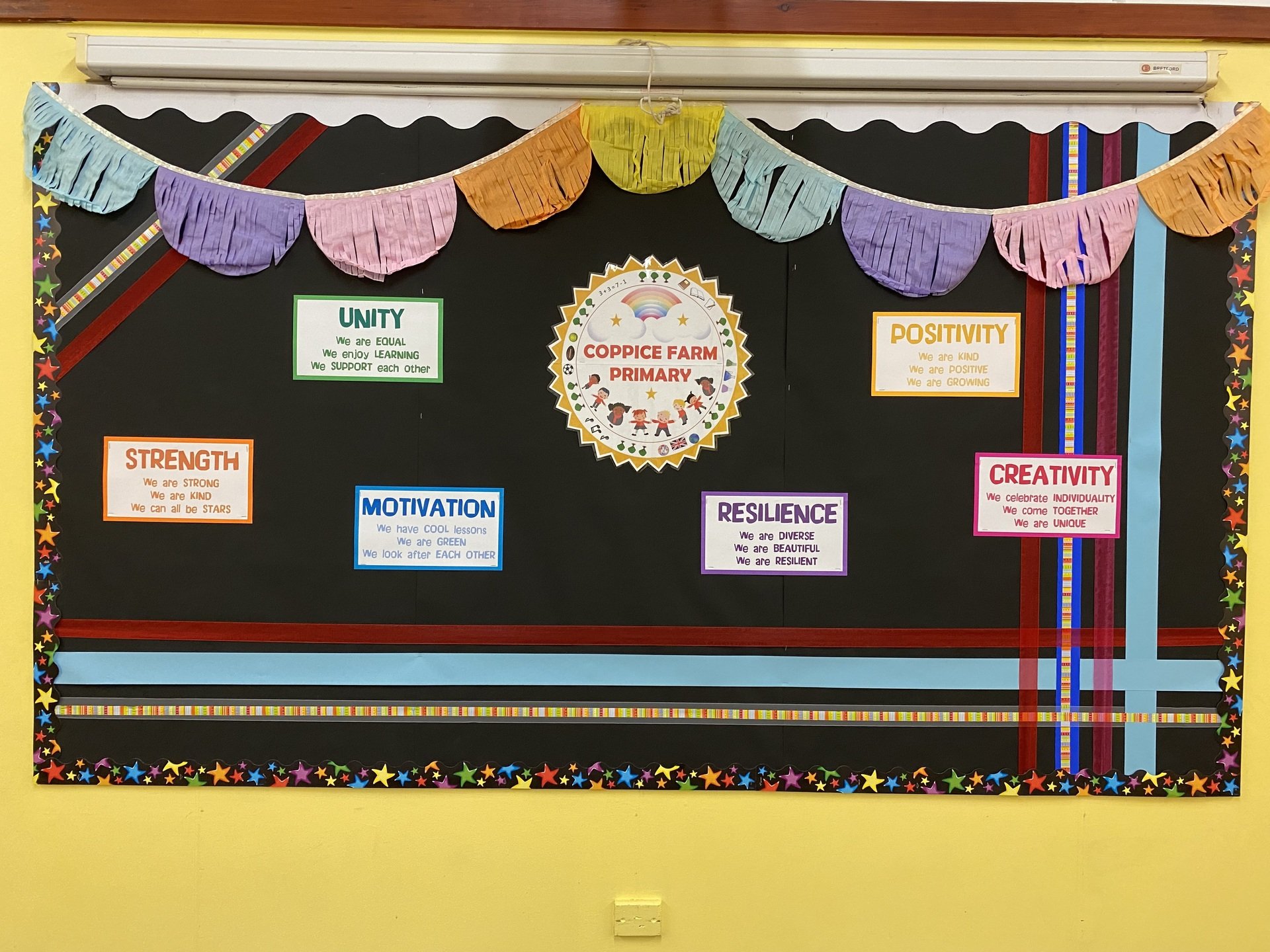
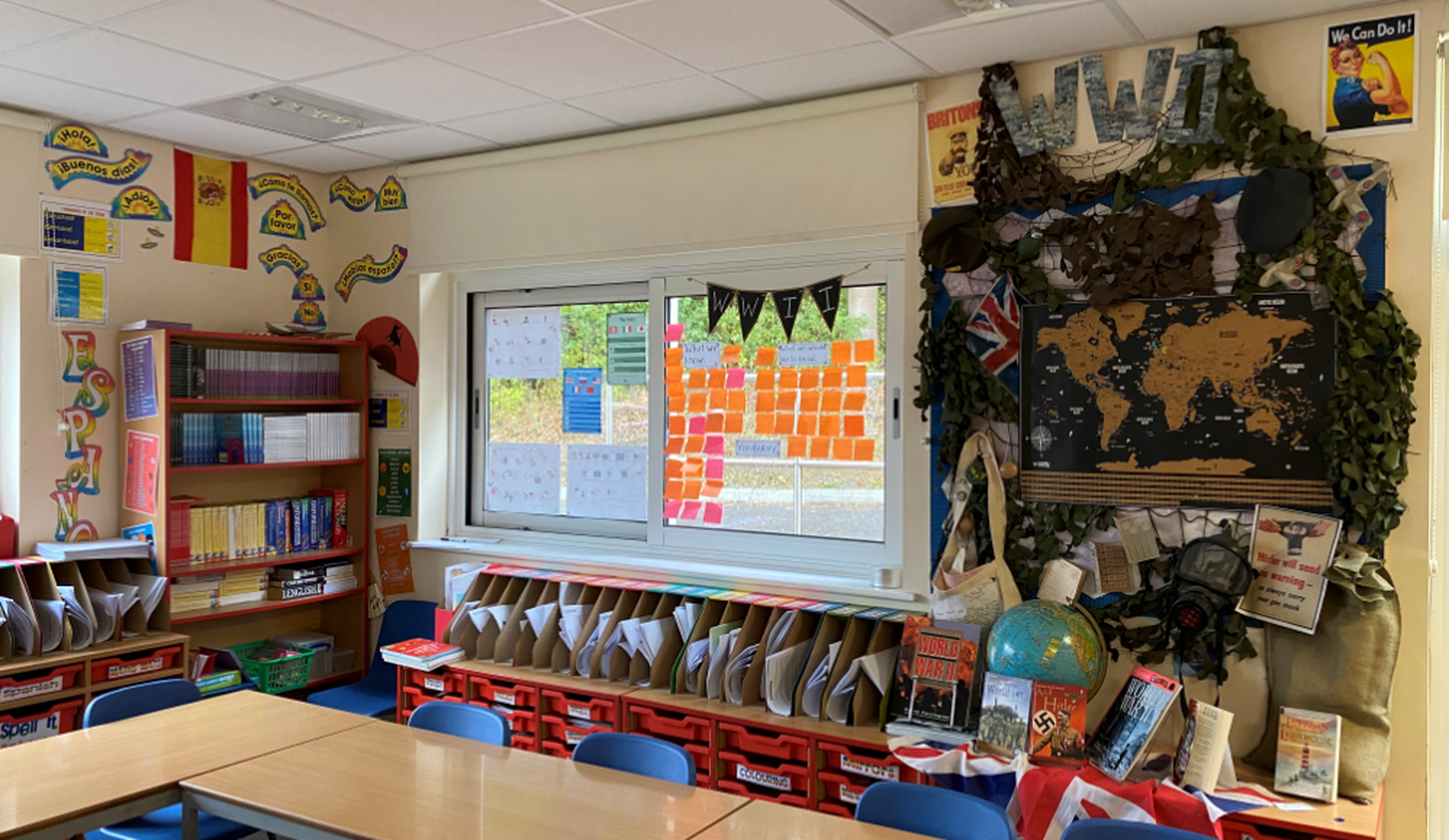
Our Spanish curriculum is taught through the structured and progressive Language Angels scheme, which provides high quality ready‑to‑teach units covering vocabulary, grammar and phonics, supported by audio for clear modelling. Lessons are sequenced to ensure pupils build knowledge in small steps, revisit key language during retrieval practice and consolidate learning over time through questioning and practice. We offer a balance of spoken and written language, enabling pupils to understand and communicate ideas using age‑appropriate vocabulary and grammatical structures. Through songs, dialogue, reading and structured writing, children develop confidence in expressing themselves in Spanish. Our value of resilience supports pupils as they practice new language structures, and creativity is nurtured through opportunities to apply vocabulary in meaningful contexts.
We intend for our curriculum to develop independent, motivated learners.
Spanish is taught through engaging lessons that encourage pupils to ask questions, take risks with language and deepen their curiosity about how languages work. Language Angels’ progressive design supports the development of listening, speaking, reading and writing skills, helping pupils grow in accuracy, fluency and independence as they move through KS2. The National Curriculum emphasises that language learning should foster curiosity and enable pupils to express ideas confidently in another language, both orally and in writing, which underpins our approach. Our values of motivation and positivity guide pupils to persevere, celebrate their progress and build confidence in applying what they know to increasingly complex tasks.
We intend for our Spanish curriculum to foster unity, cultural awareness and respect for diversity.
Through Spanish, pupils gain an appreciation of different cultures, stories, traditions and ways of life. Language Angels provides cultural content that supports understanding of Spanish‑speaking communities, helping children recognise connections between language, identity and lived experience. This aligns with the National Curriculum aim of using languages as an opening to other cultures and deepening pupils’ understanding of the world around them. Our value of unity shapes our commitment to helping pupils appreciate diversity, challenge stereotypes and show respect for others, while positivity helps them engage with cultural learning with openness and enthusiasm.
We intend for our curriculum to be inclusive and ensure all children can access and excel.
We believe all pupils can achieve highly in Spanish. Language Angels supports inclusion by offering adapted resources to enable scaffolding, clear progression and accessible, well‑structured lessons that enable every child including those with SEND and those who are disadvantaged to participate meaningfully in learning. Grounded in our values of strength and resilience, we create a positive and supportive environment where pupils feel confident to try new language, make mistakes, revisit knowledge through retrieval and succeed over time. This ensures all children leave KS2 equipped with secure foundations for further language learning and a positive attitude towards languages.
Implementation
- Teaching based on the Language Angels Scheme of work, which is progressive and develops pupils’ skills in vocabulary, language skills, and grammatical knowledge organized around topics and themes – building blocks of language into more complex and fluent and authentic language.
- Progressive units with lessons that build on the language and knowledge taught in previous lessons.
- Planning learning sequences which are closely matched to selected vocabulary that will be taught within each topic area so that vocabulary can be built upon meaningfully and retained in long-term memory.
- We teach the National Curriculum, supported by a
clear skills and knowledge progression framework using a scheme of work.
The National Curriculum for languages aims to ensure all pupils:
- Understand and respond to spoken and written language from a variety of authentic sources
- Speak with increasing confidence, fluency and spontaneity, finding ways of communicating what they want to say, including through discussion and asking
- Question, and continually improving the accuracy of, their pronunciation and intonation
- Can write at varying length, for different purposes and audiences, using the variety of grammatical structures that they have learnt.
The MFL curriculum is taught to all key stage 2 children weekly.
- To promote an active learning of Spanish, a range of teaching methods are used to ensure that the children are developing their linguistic skills through listening, speaking, reading and writing in order to be secondary ready.
- Children are taught a strong awareness of phonology and the importance of grammatical structures so that knowledge gained can be applied to different contexts and topics in Spanish.
- Children in EYFS and KS1 are not currently taught a specific language but we recognise how important it is for our youngest children to learn about different cultures, religions and beliefs.
- We still have a access to Language Angels for EYFS and KS1 so that any Spanish wishing to be taught can be accessed whilst maintaining consistency across school and fidelity to the Language Angels programme.
- Children in EYFS, KS1 and KS2 are taught to have a growing awareness of the world around them by following our PSHE curriculum to support and develop cultural capital.
Impact
- Learning and progression is assessed at regular intervals after each topic or theme and is recorded on the Language Angels online platform.
- Through the high quality first teaching of Spanish, evidence from the children’s folders, assessment, learning walks, pupil voice, display and lessons will show the impact of the subject in the following ways:
- Children will be able to communicate with each other in Spanish
- Children will become aware that a language has a structure, and that the structure differs from one language to another
- Children will develop their language through development of the four key skills of speaking, listening, reading and writing
- Children will enrich their language learning by developing an understanding of the Spanish culture
- Children will transfer to KS3 effectively and successfully and will be well prepared to continue and develop their language skills
Language Angels Progression Map across the 4 domains of language learning
Language Angels Skills Progression Map across the Primary Phase