
Computing
COMPUTING LEAD: MR J GRADY
In an age when we are living in and increasingly digital world, teaching children computing is vital for all our futures. From global supply chains to buying our weekly shop, computing is central to all of our lives. Technologies such as artificial intelligence, automation and robotics are changing the way that we live, work and socialise.
We believe that schools play a vital role in teaching young people the skills they’ll need to thrive in a digital future, through the national computing curriculum. With technology playing such a significant role in society today, we believe ‘Computational Thinking’ is a skill children must be taught if they are able to participate effectively and safely in this digital world. A high-quality computing education equips pupils to use creativity to understand and change the world. Computing has deep links with mathematics, science, and design and technology, and provides insights into both natural and artificial systems.
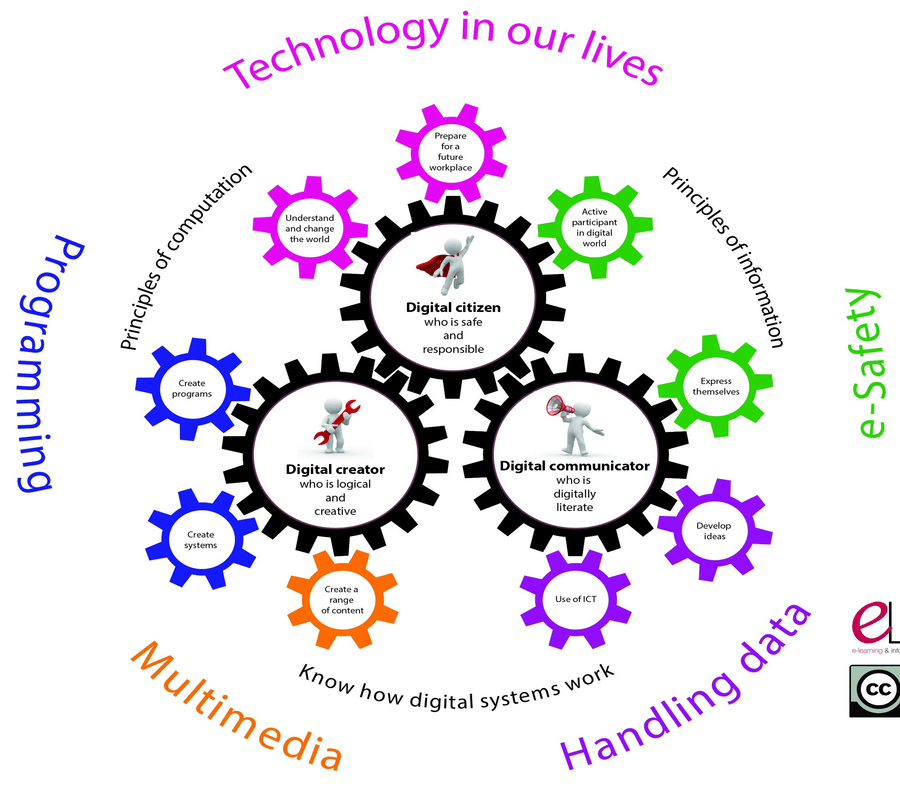
At Coppice Farm Primary, our pupils are introduced to a wide range of technology, including laptops, iPads, interactive whiteboards and other digital devices, allowing them to practise and improve the skills they learn. This ensures they become digitally literate so that they are able to express themselves and develop their ideas through information and computer technology- at a level suitable for the future workplace as active participates in a digital world.
INTENT
Our vision
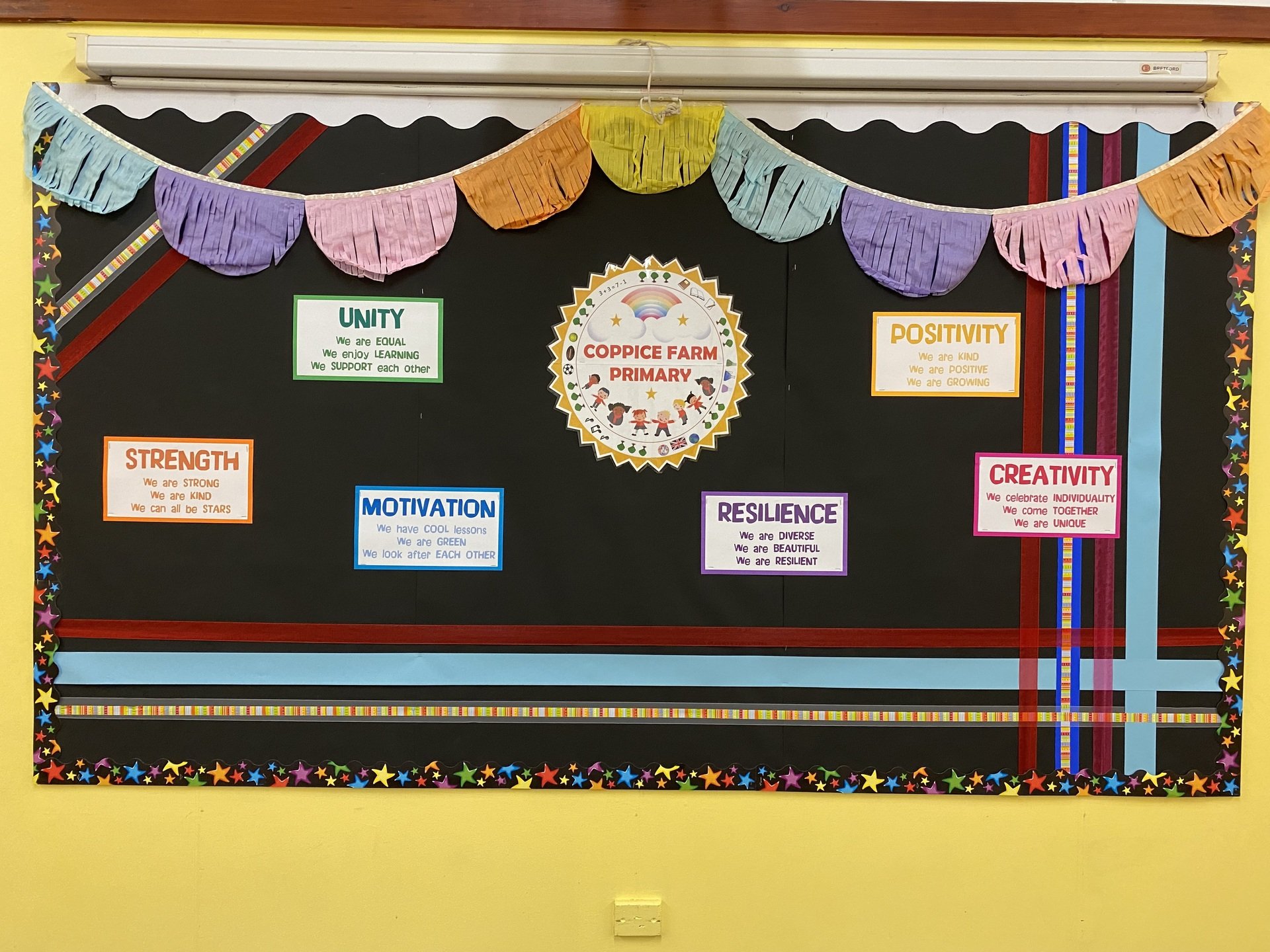
At Coppice Farm Primary School, our vision is for every child to become a confident, creative and responsible participant in an increasingly digital world. Our Computing curriculum, taught through the Teach Computing scheme, is underpinned by our school values, which shape the way pupils learn, collaborate and engage with technology
Our Intent
We intend for our Computing curriculum to build secure, long‑term learning through carefully sequenced knowledge and skills. The Teach Computing Curriculum’s structured progression allows pupils to revisit key concepts regularly and grow their understanding over time.
To support strong and lasting learning, we use:
- Regular retrieval practice, such as short quizzes at the start and end of lessons, helping pupils recall prior learning and strengthen memory.
- Clear and effective modelling, with teachers demonstrating processes step‑by‑step so pupils can build confidence before working independently.
- Logical, cumulative sequencing, ensuring each new concept builds on strong foundations.
These approaches reflect our value of Strength, ensuring pupils develop solid digital understanding, confidence and independence as they progress through the curriculum.
We intend for our curriculum to develop independent and motived learners.
We intend for our Computing curriculum to develop independent, motivated learners who take ownership of their thinking and problem‑solving. Pupils are encouraged to explore, experiment and make informed decisions as they work with digital tools and technologies. To support all learners—especially those with SEN—we often use paired and collaborative learning, which reduces cognitive load, strengthens understanding through discussion, and allows pupils to support one another effectively. Through this approach, pupils build resilience, learning that challenges, mistakes and debugging are positive opportunities for growth. As they persevere through increasingly complex tasks, they develop confidence, curiosity and the motivation to succeed independently
We intend for our curriculum to foster unity, cultural awareness and respect for diversity.
Through the Teach Computing Scheme, pupils learn to collaborate effectively, appreciate different perspectives and understand how technology connects people and communities across the world. This helps them develop inclusive attitudes and work together with respect in an increasingly diverse digital society.
We intend for our curriculum to be inclusive and ensure all children can access and excel
Through high‑quality first teaching and a positive, supportive learning environment, we provide the scaffolding and adaptations needed for SEND and disadvantaged pupils to thrive. Our focus on positivity, clear modelling and structured support enables every child to build confidence, make progress and succeed in Computing.
IMPLEMENTATION
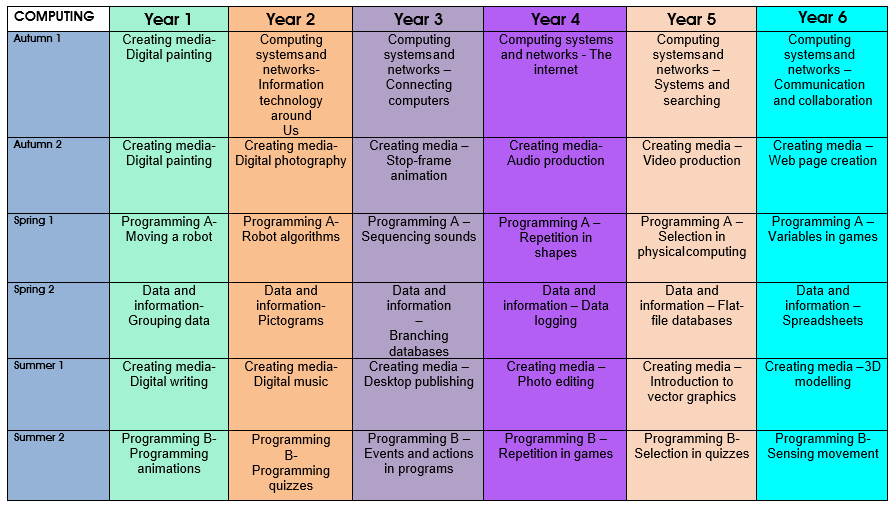
The Computing Curriculum at Coppice Farm draws upon the Teach Computing scheme of work to ensure an effective curriculum is designed and delivered.
The Computing leader has made the decision to use this scheme of work for a number of reasons:
- Pupils begin Key Stage One by navigating the Teach Computing Key Stage One This gives them a solid platform using technology, software and applications that are age- appropriate and builds steadily towards the skills required in Key Stage Two.
- Pupils in Key Stage Two progress into the Teach Computing Key Stage Two
Progression is not only in the skills and knowledge pupils are taught to acquire but also in the contexts and applications through which they apply their developing skills.
- The scheme is progressively planes and it provides a clear progression map through the computing
- The Curriculum is designed with the principles of revisiting and recall in both the skills the pupils apply and in the software which is used.
- Although the subject of Computing sits discretely within our curriculum, where meaningful cross-curricular links outcomes can be achieved, some application of skills in lessons may be linked to this learning
- E-Safety learning is embedded within units but is also the focus of Safer Internet lessons at least once a term. There is also a specific e-safety lesson based around Safer Internet Day for each year group. The school is committed to equipping pupils to operate proficiently, confidently and safely in the digital world.
The subject leader conducts a coverage check to ensure all National Curriculum objectives are met.
IMPACT
Within our computing lessons, we encourage a creative and collaborative environment in which pupils can learn to express and challenge themselves.
Our children will:
- be confident users of technology, able to use it to accomplish a wide variety of goals, both at home and in school
- will have a secure and comprehensive knowledge of the implications of technology and digital systems. This is important in a society where technologies and trends are rapidly evolving
- be enthusiastic and confident in their approach towards Computing
- present as competent and adaptable ‘Computational Thinkers’ who are able to use identified concepts and approaches in all areas of their learning
- be able to identify the source of problems and work with perseverance to ‘debug’ them
- create and evaluate their own project work
- have a secure understanding of the positive applications and specific risks associated with a broad range of digital technology
- be able to apply the British values of democracy, tolerance, mutual respect, rule of law and liberty when using digital systems
- transition to secondary school with a keen interest in the continued learning of this subject
COMPUTING @CFP OVERVIEW